Hi friends! How are you? I hope you’re having an amazing week so far.
I cannot believe we’re already halfway through the year. Summer is actually the PERFECT time to pause and check in on your health goals before the fall chaos starts making its way back in.
If you started the year wanting to feel better, have more energy, balance your hormones, lose weight, improve digestion, support your immune system, sleep better, or finally get answers… but life happened… you are absolutely not alone.
This is exactly why I decided to host a freeeeeee live health planning class this Thursday at 10am PST / 1pm EST.
You can save your spot here.
This isn’t going to be one of those generic wellness webinars where you leave with a bunch of vague motivation and no actual plan. I want this to feel practical, strategic, personalized, and actionable.
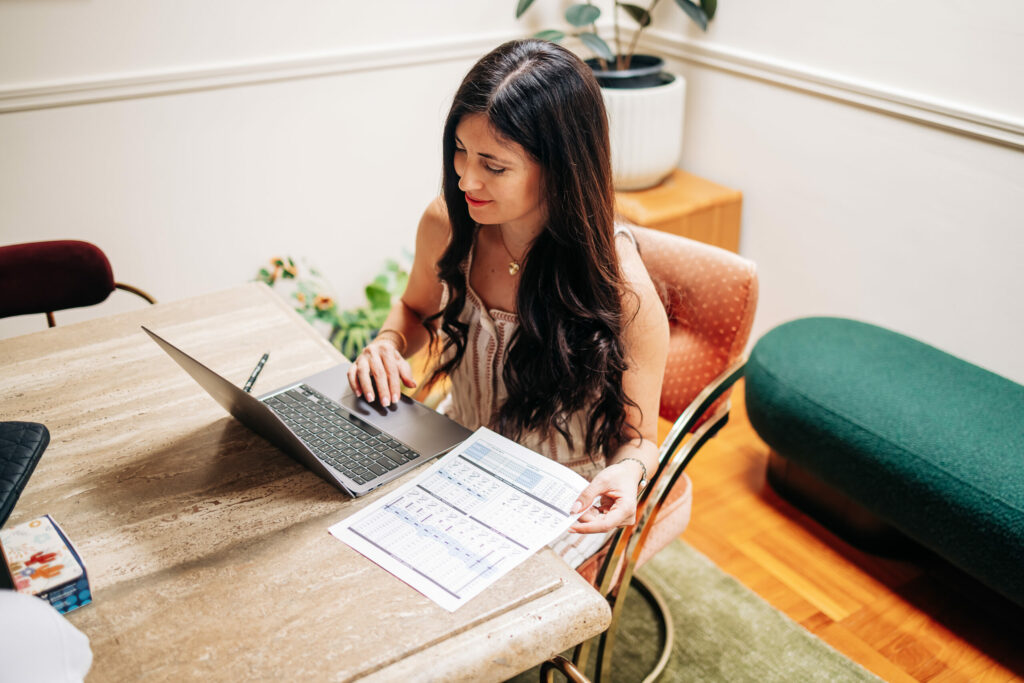
We’re going to cover:
The biggest mistakes I see women making when they’re trying to “get healthy”
Why so many wellness routines fail after a few weeks
The exact areas I would focus on first if I were trying to improve energy, hormones, inflammation, gut health, or body composition
Simple ways to create a realistic plan that actually works with your real life
How to stop spinning your wheels and start collecting data that helps you move forward
My favorite wellness habits and non-negotiables right now
And the best part: a live Q&A because we’ll get to troubleshoot your specific questions together.
PLUS everyone who attends live will receive TWO extra entries into our massive wellness giveaway. Skincare, wellness favorites, beauty products, supplements, a walking pad, and more. It’s over $700 worth of goodies and I’m still adding things to the pile lol 
But here’s the part I’m REALLY excited about…
Live attendees will also get first access to the updated Healing Code program before I share it publicly.
I completely revamped the program to make it more accessible, supportive, and customizable depending on where you are in your health journey right now.
There will be:
10 spots available for Healing Code access
and 5 VIP spots available
And once those spots are gone, they’re gone.
If you’ve been wanting support with things like:
Hormone imbalance
Weight loss resistance
Inflammation
Gut issues
Autoimmune symptoms
Brain fog
Fatigue
High stress and burnout
Functional lab testing
Creating a sustainable wellness plan
…this is going to be the b